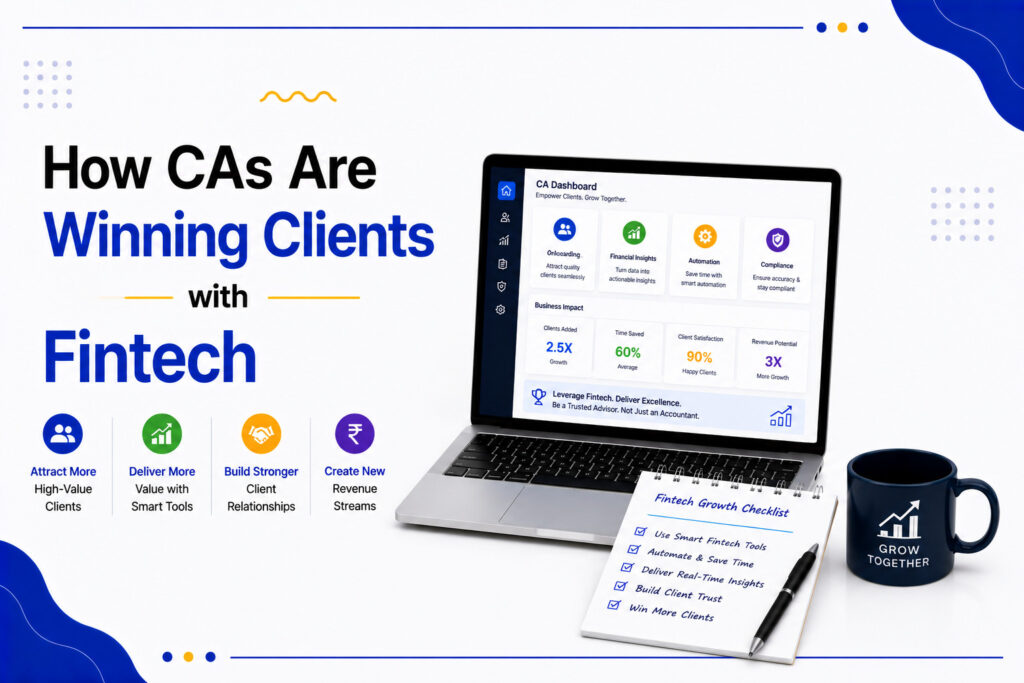
A decade ago, a newly qualified CA’s path was fairly linear: join a firm, handle audits and tax filings, slowly build a client book over years. That path still exists, but a growing number of young CAs are taking a shortcut — fintech consulting.
Instead of waiting to inherit clients or compete purely on compliance work, they’re positioning themselves as advisors who help businesses choose, set up, and run financial software. And the entry barrier is turning out to be surprisingly low.
Why It’s an Easy Entry Point
Traditional CA practice-building relies on referrals, reputation, and time. Fintech consulting flips that. A young CA with solid accounting fundamentals and a handful of software tools can start advising businesses almost immediately — no decade of audit experience required.
Small and mid-sized businesses are actively looking for someone to help them move off spreadsheets onto proper accounting, GST, and payroll software. They don’t need a senior partner for this — just someone who understands both the numbers and the tools. That’s a gap young CAs are perfectly placed to fill.
Affordable Tools Do the Heavy Lifting
Modern fintech tools are no longer priced for large enterprises only. Cloud accounting platforms, GST filing software, and reconciliation tools often come with tiered pricing a small business — or a CA testing the consulting waters — can afford from day one.
This lowers the cost of experimentation. A CA doesn’t need heavy infrastructure or a big team to start consulting. They can pick up a subscription, learn the platform properly, and start advising clients within weeks. The tools themselves become the credibility.

Time Savings Are the Real Pitch
Ask any business owner why they resist switching software, and the answer is almost always “no time to learn something new.” This is where young CAs win trust quickly — by selling time back, not just compliance.
Automated bank reconciliation, real-time GST tracking, integrated payroll — these translate directly into hours saved every month. A CA who says “this will cut your bookkeeping time in half” has a far easier conversation than one pitching a traditional retainer.
Building Trust Without a Long Track Record
New CAs often worry that without years of experience, clients won’t take them seriously. Fintech consulting sidesteps this, because the value is demonstrable rather than reputational — a software setup either saves time and reduces errors, or it doesn’t, and that’s visible within the first month.
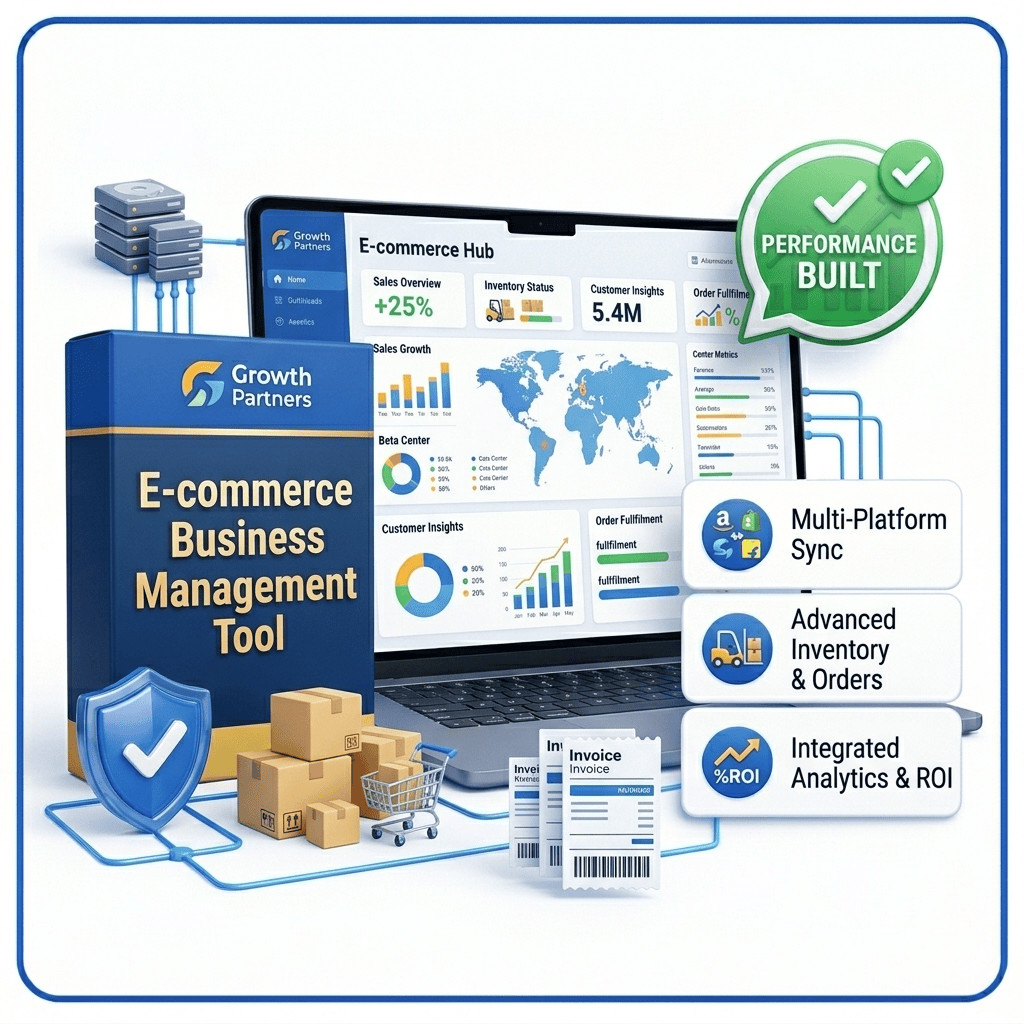
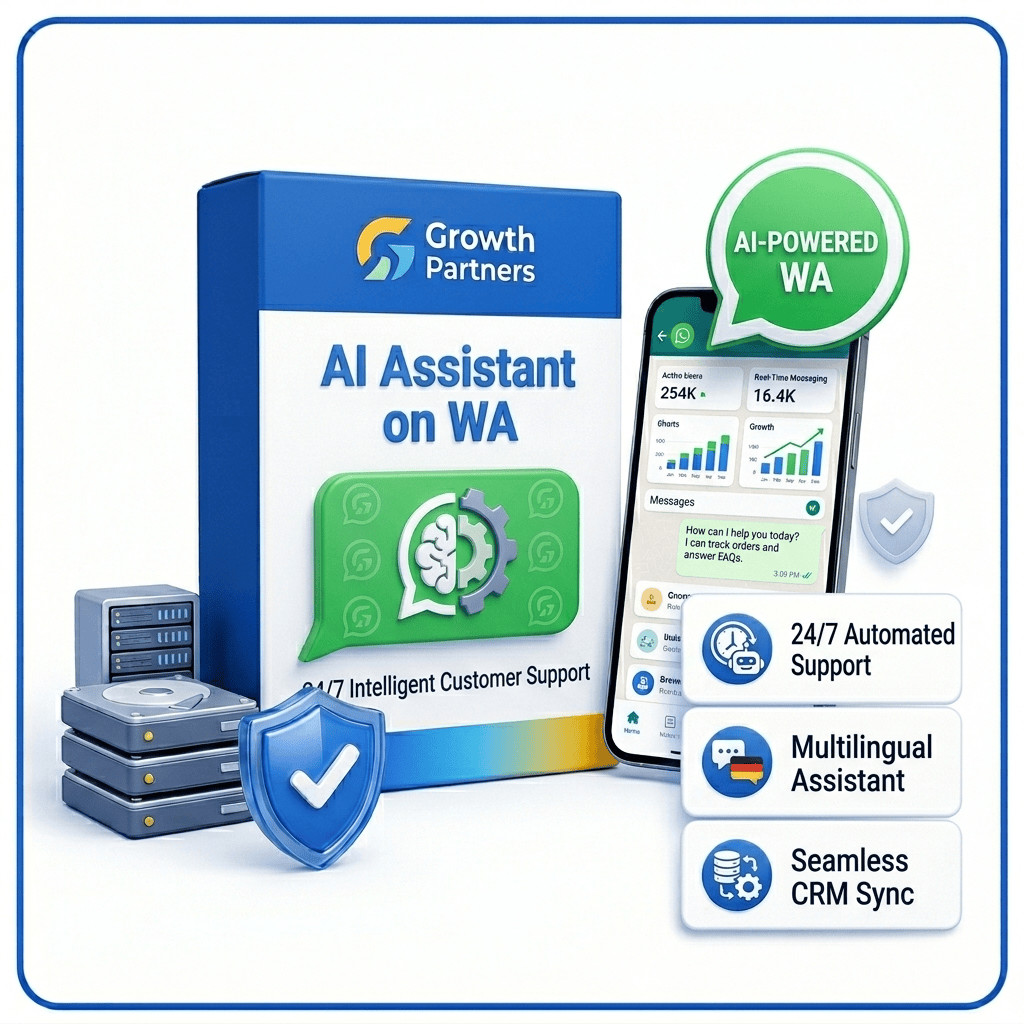
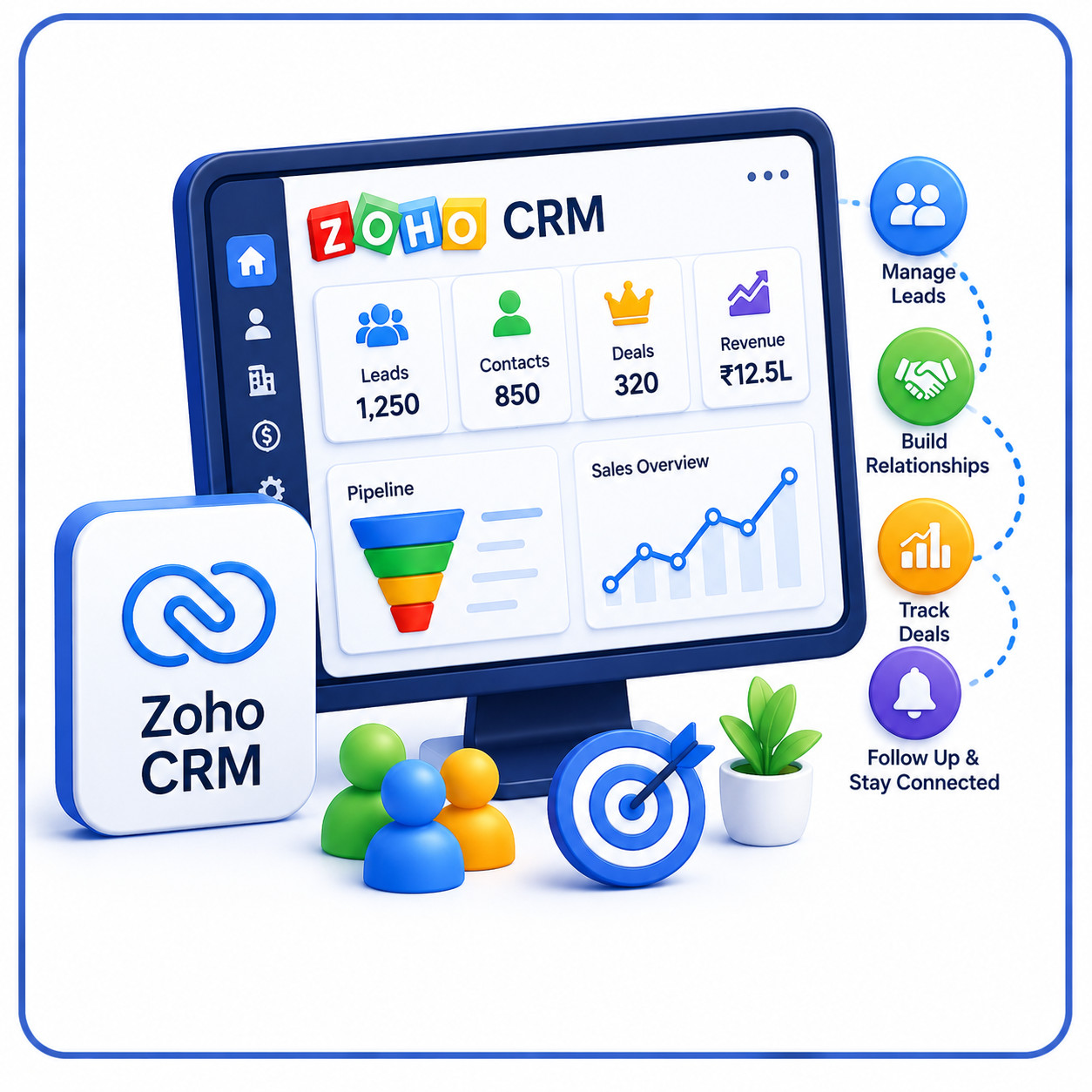
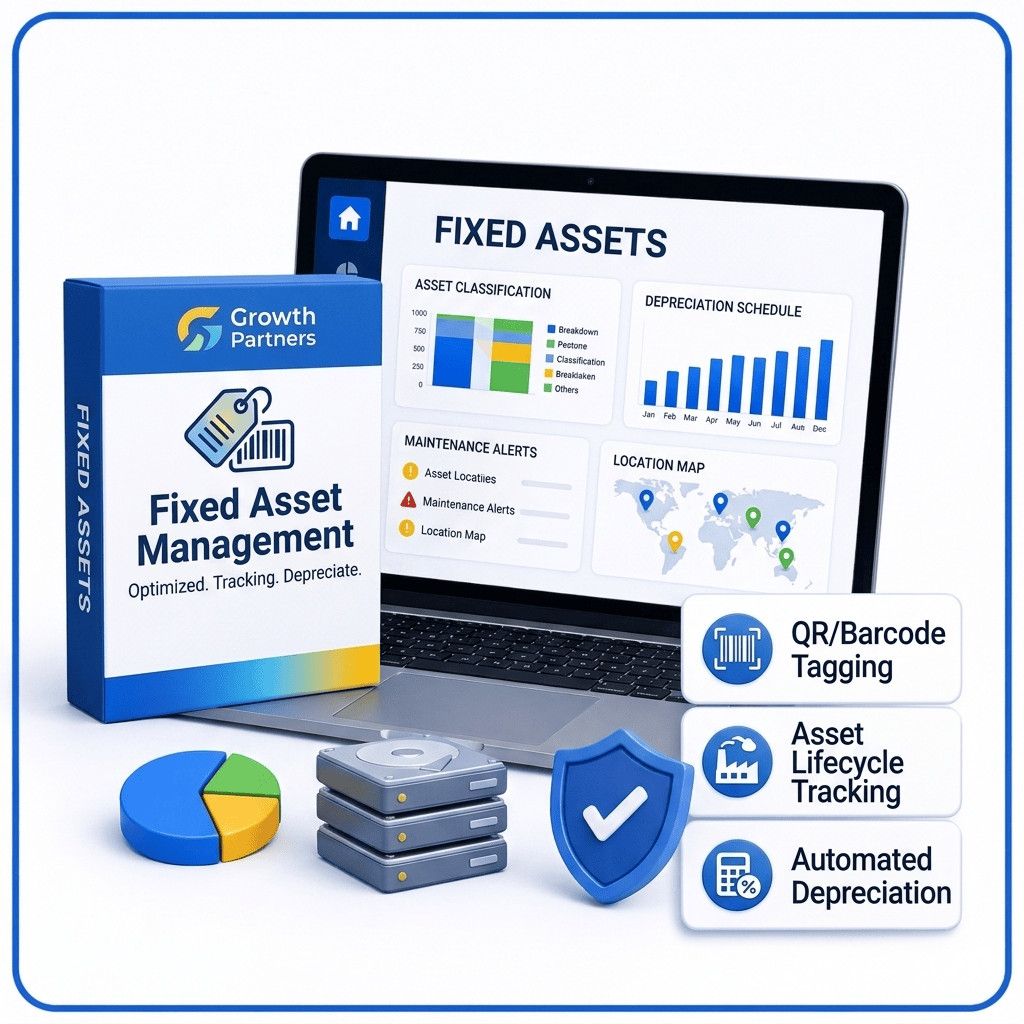
This is also where working with an established implementation partner helps. Growth Partners, for instance, is a certified implementation partner across multiple software platforms — including being Tally-certified — offering unbiased, multi-product advice rather than pushing a single vendor. For a young CA still building their playbook, that expertise means offering clients well-rounded recommendations from very early on. See the range of platforms on their Solution Page.
From One Client to a Practice
Businesses onboarded well don’t stay one-time clients. Once a CA sets up the right fintech stack, they’re the natural person to call for the next compliance change, payroll update, or audit query. Fintech consulting becomes the entry point; the retainer relationship follows — quietly building a reputation as the “tech-savvy CA” businesses actively seek out.
Bottom Line
Fintech consulting is one of the most accessible ways for young CAs to start onboarding clients — low upfront investment, affordable tools, and a value proposition (saved time) business owners understand instantly. It doesn’t replace traditional CA work; it opens the door to it, often faster.
If you’re a young CA building this kind of practice, or a business owner figuring out which tools fit your workflow, it helps to talk to someone who’s implemented across multiple platforms. Reach out to Growth Partners at 📞 +91 90199 46181 or ✉️ hello@growthpartners.in — or learn more about how the partnership model works.